
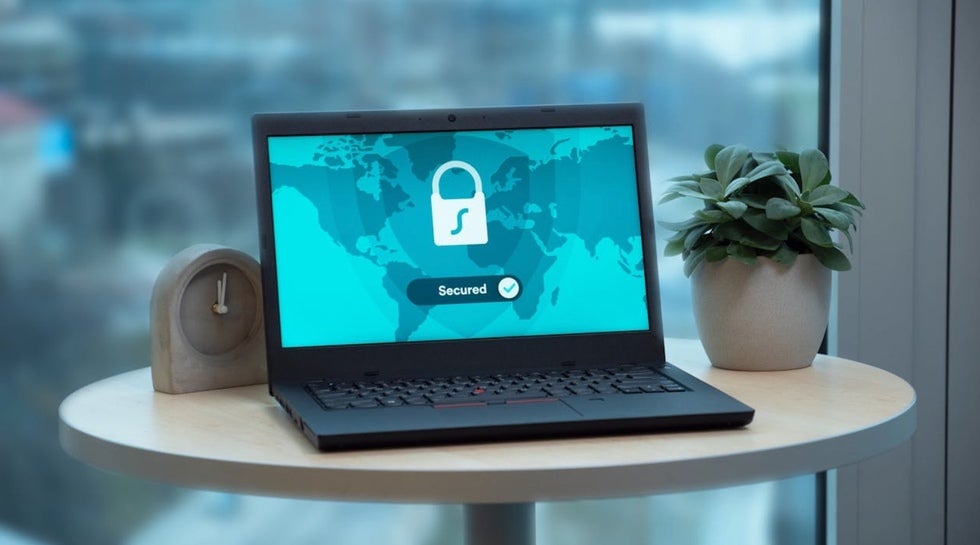
Federal internet and computer fraud charges are most commonly prosecuted under the Computer Fraud and Abuse Act (CFAA), codified at 18 U.S.C. § 1030. This law criminalizes unauthorized access to “protected computers,” which includes virtually any device connected to the internet, with the intent to defraud, steal data, disrupt operations, or cause damage. Prohibited activity covers everything from hacking, data theft, and phishing schemes, to more complex fraud like business email compromise, ransomware demands, and manipulation of financial records.
Penalties for Federal Computer Fraud Convictions
Sentences for computer fraud offenses are severe and based on the nature and scope of the alleged crime. Penalties can include:
- Fines of up to $250,000 for individuals or $500,000 for organizations, when this is their first offense. Or doubled penalties when this is their second offense.
- Restitution.
- Federal prison of up to 20 years, depending on the severity of the case and whether this is their first offense or not.
The sentencing guidelines also consider factors such as the monetary value affected (with $5,000 triggering many enhancements), harm to individuals or systems, and whether the offense threatened public safety.
Unique Challenges in Defending Internet and Computer Fraud Cases
Defending against a CFAA charge requires specialized technical and legal expertise. Prosecutors must prove intent, unauthorized access, and fraudulent purpose, but digital evidence can be ambiguous or mishandled. Defense lawyers often challenge how “authorization” is defined, whether the accused actually had the required intent, and whether digital forensic evidence supports the charges or raises doubts. Mistakes in attribution, jurisdictional overlaps, and misunderstanding of programming or security protocols are common grounds for defense.
The Sigal Law Group leverages experience in technology-driven litigation and federal criminal defense to advocate for clients accused of internet fraud. Our team scrutinizes electronic evidence, expert reports, and investigative procedures, pursuing strategies ranging from pre-trial negotiations to vigorous courtroom representation. A proactive, knowledgeable approach helps protect your rights and reputation in today's high-stakes cybercrime environment.
If you are accused of a computer or internet crime, the Sigal Law Group can help. Contact our offices today for a free consultation.


Comments
There are no comments for this post. Be the first and Add your Comment below.
Leave a Comment